 Windsor Sleep Clinic
Poor sleep always has a cause. Let’s find yours.
Insomnia, sleep apnoea and restless legs can all feel the same - broken nights and exhausted days. At Windsor Sleep Clinic, we work out what’s actually happening before we treat it.
Where would you like to start?
A sleep clinic built for Windsor
From Old Windsor to Clewer, Datchet to the town centre, people across Windsor use our assessment to get clear answers about their sleep and a plan that fits their life. At Windsor Sleep Clinic, everything starts online, with treatment available where it’s clinically needed.
- Old Windsor
- Eton
- Datchet
- Clewer
- Dedworth
- Ascot
- Sunningdale
- Winkfield
- Eton Wick
- Wraysbury
Four sleep problems. Overlapping symptoms.
The sleep problems we see most often in Windsor borrow each other’s symptoms constantly. If you’re not sure which is yours, that’s exactly what the assessment is for.

Sleep apnoea
Loud snoring, gasping or choking in the night, morning headaches, nodding off in the day. Often the person sleeping next to you notices before you do.

Insomnia
Lying awake at bedtime, waking repeatedly through the night, or surfacing at 4am and staying there. When it happens most nights, it’s worth assessing properly.

Snoring
Sometimes harmless, sometimes the loudest symptom of a breathing problem. The difference matters, and it isn’t something you can work out from the sound alone.

Restless legs
An urge to move your legs at night. Tingling, crawling, discomfort that eases when you move and returns when you settle. It’s physical, and it’s treatable.

The wrong label is why so many sleep problems don’t get better.
Different disorders look near-identical at 3am. At our sleep clinic in Windsor, we often see people who have been living with the wrong label for their sleep problem. Different sleep disorders can look very similar at first, which is why proper assessment matters.
Sleep apnoea masquerades as insomnia.
Repeated waking may feel like insomnia. Sometimes the real cause is your breathing.
Snoring doesn’t always mean apnoea.
In some people it’s harmless. In others it’s the warning sign. You can’t tell by volume alone.

Tired and sleepy aren’t the same thing.
Low energy is one problem. Unintentionally dozing off is another, and often points to a breathing-related cause.
Sleep apnoea is easier to miss in women.
Their symptoms get filed under stress, anxiety or insomnia, and the right diagnosis can arrive years later.
Low iron can wreck your sleep.
Even without obvious anaemia, iron deficiency can drive restless legs and broken nights.
Plenty of things mimic insomnia.
Anxiety, medication side effects and restless legs all disturb sleep in ways that look like insomnia.
From assessment to better nights
Medication is only ever prescribed when appropriate, after clinician review. Here’s how Windsor Sleep Clinic works, in partnership with The Independent Pharmacy:
A proper assessment.
Answer a short set of questions about your sleep. You get a clear next step based on your answers, not a generic leaflet. If treatment is an option, a UK-registered clinician at The Independent Pharmacy reviews your full consultation before anything is prescribed.
Today

Rebuild how you sleep.
Work with a dedicated sleep specialist on falling asleep and staying asleep, with evidence-based behavioural support and practical tools. Fewer awakenings, steadier energy.
Months 1–6

Make it stick.
Strengthen the habits that hold up long term. Learn your triggers, handle the occasional bad night with confidence, and keep the progress.
Months 7–12
We work alongside the NHS, not against it.
NHS sleep services are excellent, and for some people they’re the right route. People usually come to us when they want to be assessed sooner, or want more structured follow-up than local capacity allows.

With Windsor Sleep Clinic
- Self-referral
- Online assessment in minutes
- Rapid clinical review
- Structured follow-up
- Prescriptions considered where clinically appropriate
Via the NHS
- Usually needs a GP referral
- Waiting times and follow-up vary by area
- Treatment depends on local formulary policy
If your review suggests you’d be better served by NHS specialist input, we’ll say so and point you there.
Evidence-based, clinician-reviewed, every time.
We draw from validated screening tools, including STOP-Bang for sleep apnoea, and we screen for more than one condition before recommending anything. Windsor Sleep Clinic works in partnership with The Independent Pharmacy, so any treatment is prescribed only after a UK-registered clinician reviews your full consultation. If your symptoms suggest something that needs extra care or urgent attention, we’ll tell you plainly.
Page medically reviewed 1 September 2026 · Content reflects current UK clinical guidance, including NICE recommendations
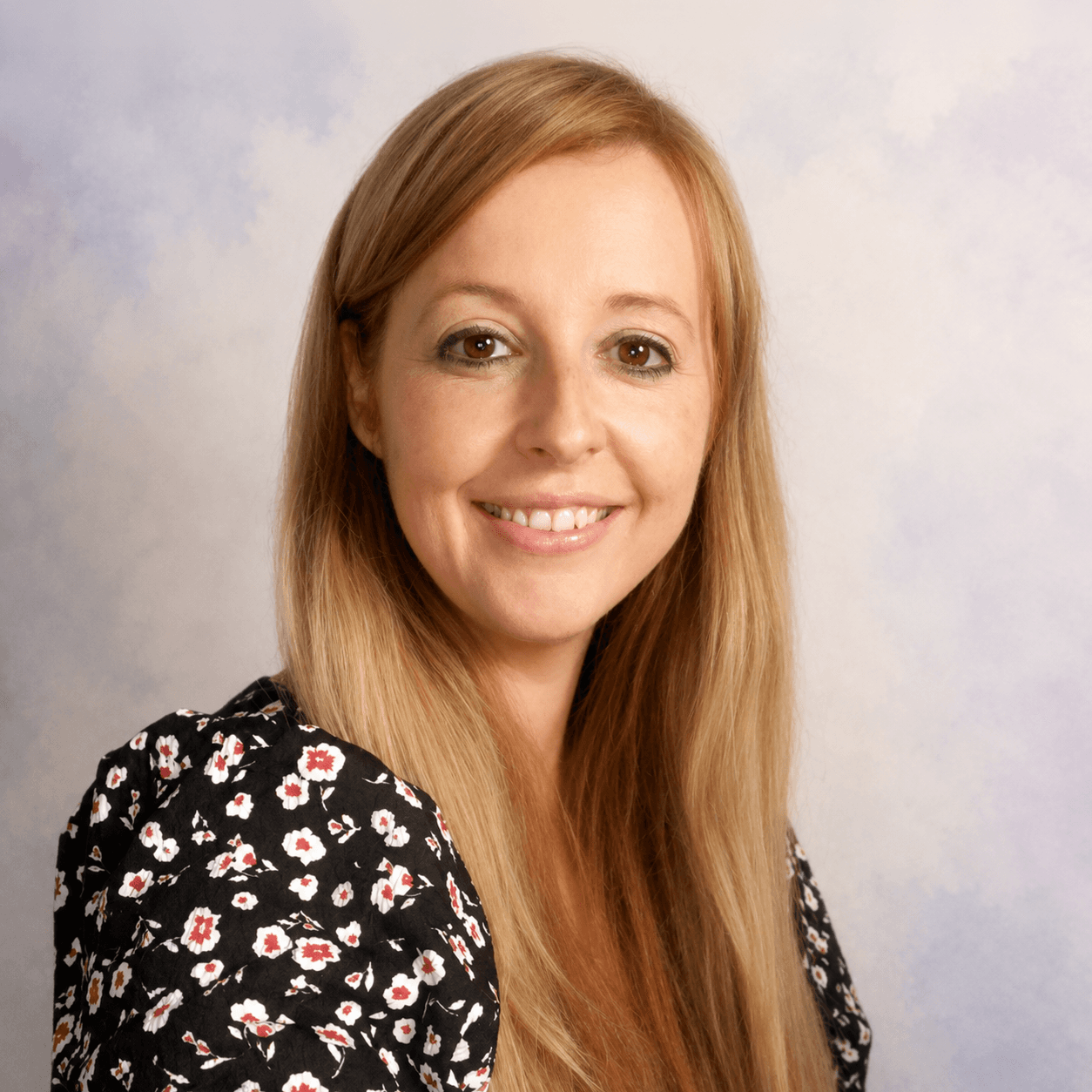
Suzannah Torres
RPSGT · AHCS Registered Clinical Physiologist
Suzannah Torres is a highly specialised respiratory sleep physiologist with over 20 years’ experience in NHS sleep and respiratory medicine. She is RPSGT certified and AHCS registered, with advanced expertise in sleep apnoea assessment, CPAP therapy, and complex respiratory sleep pathways.
Frequently asked questions
No. You can self-refer to our private sleep clinic in Windsor and complete the assessment online. If during your review we believe you would benefit from NHS specialist input, we’ll advise you clearly and explain the next steps.
A home sleep study is a test you complete overnight in your own home or the surrounding areas. It measures breathing patterns, oxygen levels and sleep disruption. This helps confirm or rule out obstructive sleep apnoea (OSA) before treatment is recommended by our UK clinicians.
Yes. Many patients attending Windsor Sleep Clinic have symptoms of both insomnia and sleep apnoea. This is called co-morbid insomnia and sleep apnoea (COMISA). That’s why we screen for both conditions before recommending treatment.
Some people across Windsor and the UK snore without having OSA. However, loud snoring combined with daytime sleepiness, high blood pressure, or witnessed breathing pauses should be assessed by a sleep specialist in Windsor.
CPAP is the standard treatment for many people with moderate to severe OSA. However, at Windsor Sleep Clinic we also consider other options where suitable, including mandibular advancement devices and structured weight management support. The right approach depends on your overall health.
CBT-I (cognitive behavioural therapy for insomnia) is first-line treatment. Medication is only considered when clinically appropriate, after safety screening and full clinician review. It’s never automatic.
Most people can complete the initial online sleep assessment in a few minutes. If a home sleep study is needed, we explain the process clearly. Our private sleep clinic in Windsor is designed to reduce waiting times compared with many traditional referral pathways.
Some situations need urgent medical review through your GP, NHS 111 or 999. Call 999 and seek urgent advice if you have:
- sudden severe sleepiness that’s new and making it unsafe to stay awake (for example while driving)
- episodes of collapse, blackouts, or weakness triggered by emotions
- new neurological symptoms such as seizures, new severe headaches or new confusion
- severe chest pain, severe breathlessness, or rapidly worsening heart or lung symptoms
- a severe mental health crisis or thoughts of harming yourself or others
- dangerous sleep behaviours, such as injuring yourself or others while asleep

Ready for a proper answer?
Start with a two-minute assessment and we’ll guide you to the safest next step.
2 minutes · Free assessment · Clear next steps